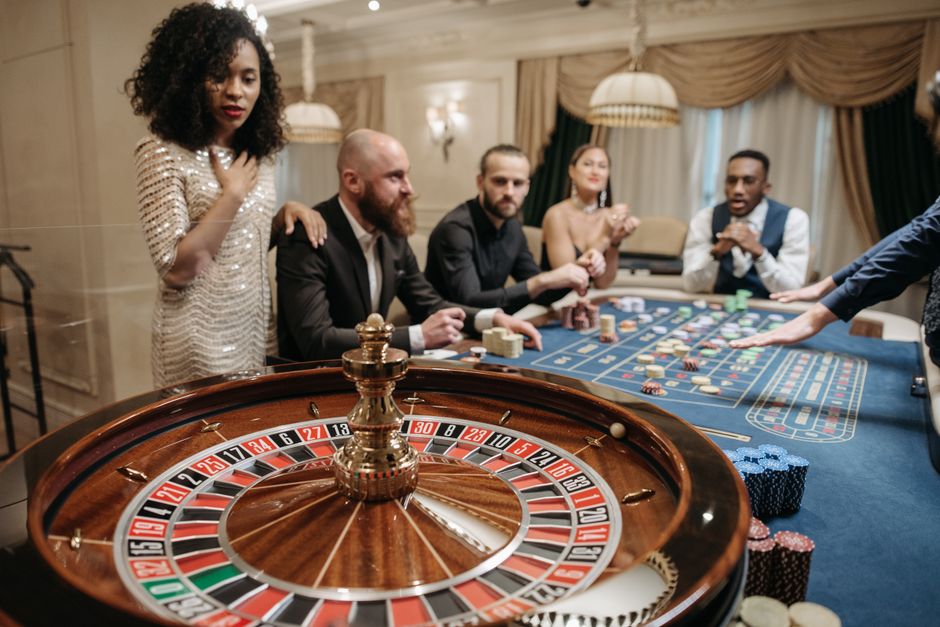
Most people press the spin button and hope. A much smaller group presses it knowing exactly what they're up against — the variance, the house edge, the odds of walking away with anything at all. That gap in understanding is where casinos quietly make their money. It's not that the games are rigged. It's that the math is real, it's published, and almost nobody bothers to read it. Let's fix that.
Every regulated slot machine has a Return to Player percentage, or RTP. A game with 96% RTP pays back, on average, $96 for every $100 wagered — over millions of spins. The remaining 4% is the house edge, and that's the casino's revenue model.
Here's the part that trips people up: RTP doesn't reset. If you lose $50 in an hour, the machine doesn't "owe" you anything. The percentage resolves over a theoretical infinite timeline, not your session. A 96% RTP slot can absolutely eat your entire bankroll in 200 spins and nobody is out of line.
Where this gets interesting is RTP variation between games:
That gap between 94% and 97% looks tiny. Over 1,000 spins at $1 each, it's the difference between losing roughly $30 expected and $60. Double your losses from one game choice, with identical gameplay mechanics.
RTP tells you the average. Volatility tells you the shape of that average. Two games can both have 96% RTP and behave nothing alike.
Low volatility slots pay small, frequent wins. You can grind a $100 bankroll for hours. High volatility slots go cold for 300 spins, then drop a 5,000x multiplier. Players chasing big multipliers love them until they realize they can go broke before the bonus round ever triggers. For more on this, see mahjong ways.
A practical rule: match volatility to bankroll. If you have 100 units, low-volatility games will stretch the session. If you have 500+ units and patience, high volatility is where the real payouts live.
Streamers pull 10,000x wins and suddenly everyone thinks slots are wealthy-making machines. Statistically, that streamer has played thousands of hours and edited out the months of dry runs. The multiplier exists, but the frequency is brutal. Before chasing a jackpot mechanic, check the paytable for the hit frequency — most modern slots list it, or you can find it in the game rules.
Here's where iGaming splits into two completely different worlds. Slots and most casino games are pure chance. Poker is a game of incomplete information where skill compounds over time.
You can beat a weak poker table. You cannot beat a slot machine. That distinction matters enormously, and it's why serious players treat poker entirely differently:
Unlike slots, sports betting margins are built into the odds, and they're visible if you know where to look. A typical NFL game might be priced -110 on both sides. That means you risk $110 to win $100. To break even, you need to win 52.4% of these bets. Win 52%, and you're actually losing money over time.
This is called the vig, or juice. Sharp bettors hunt for lines with reduced juice — some books offer -105, which drops the break-even to 51.2%. One percentage point sounds irrelevant. It's the entire difference between a long-term winner and a long-term loser.
Other concrete things sharp bettors track:
Welcome bonuses are the most misunderstood thing in iGaming. A "100% match up to $500" sounds like free money. It isn't.
That $500 typically comes with a 35x wagering requirement on the bonus amount only, or sometimes bonus plus deposit. Doing the math:
Bonuses are profitable only when the wagering requirement is low (under 20x), the game weighting is fair (slots usually contribute 100%, table games often 10%), and you were going to play that volume anyway. Otherwise you're buying yourself a longer losing session.
Nobody beats slots. A tiny fraction beats poker, and a smaller fraction beats sports betting. The people who survive long-term in iGaming all share the same habits, and they have nothing to do with picking winning games:
The math is genuinely on the house's side in every game except competitive poker and skill-based betting markets. Knowing that doesn't make gambling less fun — it makes it honest. You stop chasing losses you were never going to recover and start enjoying the games for what they are: entertainment with a known cost.
That mindset shift is the real edge. Not a hot streak, not a system, not a lucky charm. Just clear eyes on the numbers, and the discipline to walk when the numbers say walk.

A first neighborhood newsletter usually fails on tone, sourcing, or distribution, not on effort. Here's how to avoid...

Thrifting for home decor works when you shop with a plan: know what your room needs, spot solid construction, set a...

A practical guide to screens, sound, snacks, seating, and weather backups for an easy fall movie night in your backyard.

Bobby's take on news, life, and more..
